
TMD Treatment
Relief for jaw pain, clicking and headaches
If your jaw clicks, aches or feels tight, or you wake up with headaches, TMD could be the cause. Dr. Croft can help you find some relief.

Common TMD symptoms
- Jaw pain or tenderness, especially in the morning
- Clicking, popping or grinding sounds when you open your mouth
- Headaches or earaches with no other obvious cause
- A jaw that locks or feels stuck
- Clenching or grinding your teeth
How we treat it
After a careful exam, Dr. Croft treats TMD with a custom lower splint: a thin, clear guard made to fit your lower teeth. Worn as directed, it helps take pressure off your jaw joint and muscles and protects your teeth from clenching and grinding.
If your symptoms don't get better with the splint, Dr. Croft will refer you to a specialist for further care. He'll be straight with you about what a splint can and can't do.
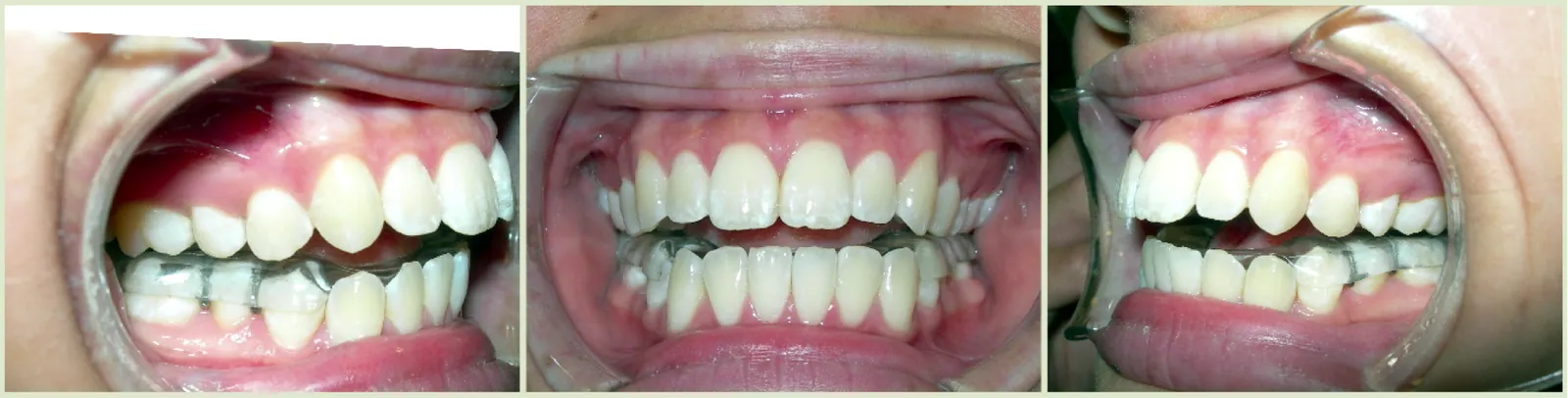
TMD patient forms
New TMD patients fill out the TMD Questionnaire along with the New Patient Form. You'll find both on our Patient Forms page.
Common questions
What is the difference between TMJ and TMD?
TMJ is the joint itself (the temporomandibular joint, where your jaw connects to your skull). TMD is the term for problems or pain in that joint and the muscles around it. People often use them interchangeably.
Will a splint fix my jaw pain?
For many people, a custom lower splint eases jaw pain, clenching and grinding. Everyone is different, though. If your symptoms don't improve with the splint, Dr. Croft will refer you to a specialist who can take the next step.
Can braces or Invisalign fix TMD?
We can't promise that. The research doesn't show that orthodontic treatment reliably reduces or gets rid of TMD pain, so Dr. Croft won't recommend braces or Invisalign as a TMD treatment. If you want a straighter smile for its own sake, that's a separate conversation, and we're happy to have it.